
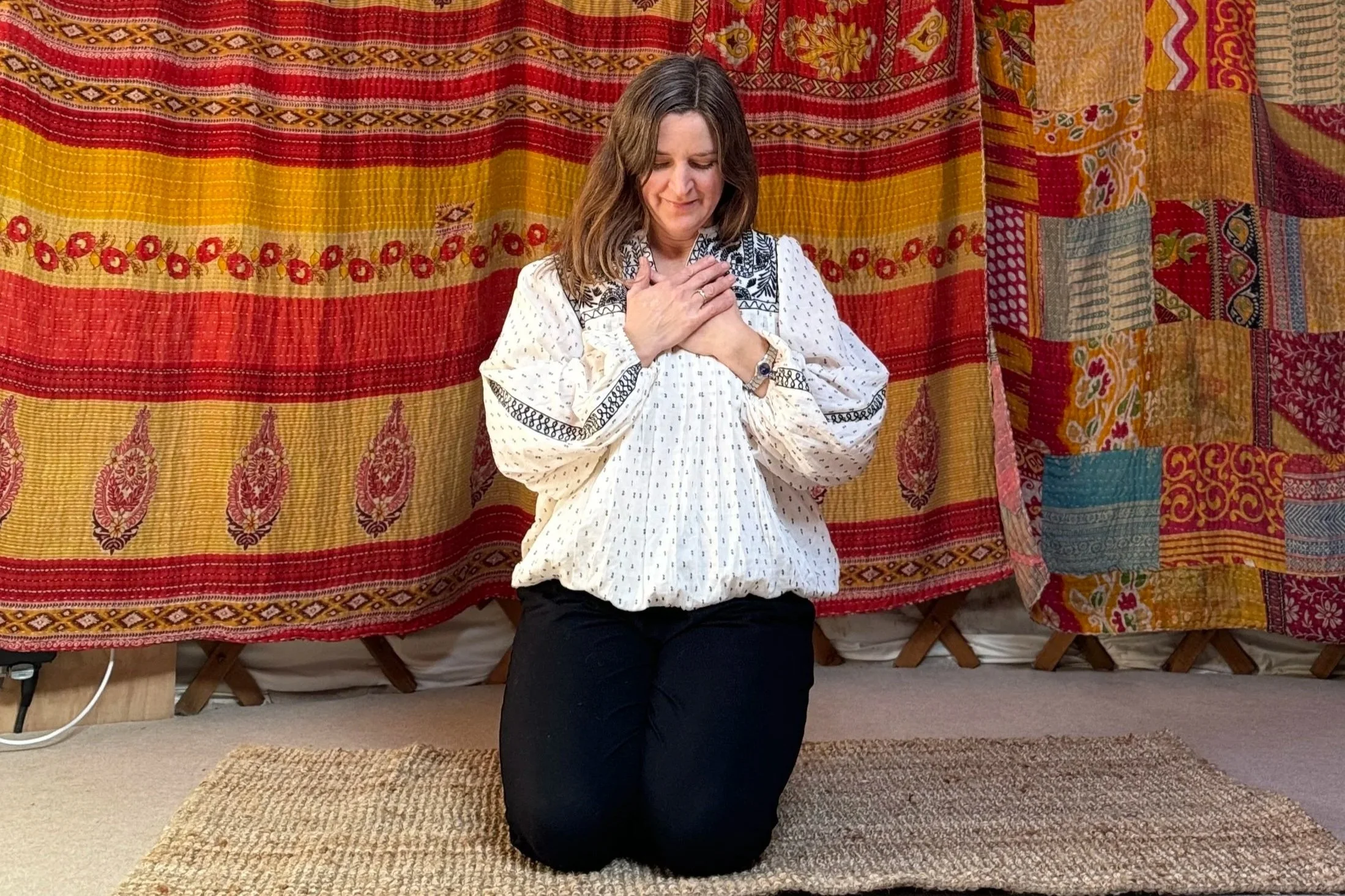
Somatic therapy is a body-oriented approach that helps regulate the nervous system and process stress
Are you looking for somatic therapy in Winchester?
"Somatic therapy" incorporates the body into emotional healing. I offer the following techniques:
Body awareness (interoception)
Breathwork
Grounding exercises
Movement
Nervous system regulation
Mindfulness
Tracking physical sensations
To help you find balance, calm and a greater sense of ease in daily life.
Somatic Psychotherapy
I also combine these body-based techniques with psychotherapy to support deeper emotional healing and trauma recovery.
Benefits of Somatic Therapy
1. Reducing stress and nervous system overwhelm
Somatic approaches can help people notice when their nervous system is activated (for example, feeling tense, restless, on edge, or unable to relax) and develop skills to return to a calmer state.
Potential benefits:
Feeling more grounded
Improved ability to calm after stressful events
Greater awareness of stress triggers
Better emotional regulation
2. Reconnecting with the body
Many people become disconnected from physical sensations during periods of prolonged stress, anxiety, or difficult experiences.
Somatic therapy can support:
Recognising body signals
Understanding physical responses to emotions
Feeling more present and connected
Developing a kinder relationship with the body
3. Processing difficult emotions
Rather than focusing only on talking about experiences, somatic therapy may explore how emotions are held and expressed physically.
People may develop:
Greater emotional awareness
More capacity to sit with uncomfortable feelings
New ways to respond rather than react automatically
4. Supporting trauma recovery
Somatic psychotherapy approaches are often used in trauma-informed settings because trauma can affect the nervous system, body responses, and sense of safety.
Potential benefits include:
Feeling safer in the present moment
Reducing patterns of hypervigilance or shutdown
Developing coping strategies
Building resilience
5. Improving anxiety management
Some people find body-based techniques helpful for anxiety because anxiety often involves physical sensations such as:
Tight chest
Racing thoughts
Shallow breathing
Muscle tension
Restlessness
Somatic techniques may help people recognise these patterns and respond differently.
6. Releasing physical tension
Stress is often experienced physically. Somatic practices may help people notice and work with:
Jaw tension
Shoulder tightness
Holding patterns
Fatigue
Restlessness
7. Improving self-awareness and self-compassion
By paying attention to internal experiences without judgement, people can develop:
Greater self-understanding
Awareness of needs and boundaries
More compassionate responses towards themselves
8. Supporting overall wellbeing
Many people use somatic therapy alongside mindfulness or other wellbeing practices to support:
Relaxation
Emotional balance
Better sleep habits
A stronger sense of connection and presence

WHY CHOOSE ME?
Finding the right therapist is an important step. My approach combines integrative psychotherapy, somatic therapy, yoga therapy, mindfulness and a deep understanding of the mind-body connection to support you in creating meaningful change.
I believe that healing is not just about understanding your experiences intellectually - it is also about reconnecting with your body, developing a sense of safety, and learning to listen to the wisdom within you, developing an embodied understanding of yourself.
A Whole-Person Approach
My work brings together therapeutic approaches with embodied practices, recognising that thoughts, emotions, physical sensations and nervous system responses are all interconnected. Together, we explore what you are experiencing with curiosity, compassion and at a pace that feels right for you.
Trauma-Informed and Compassionate
I offer a safe, supportive space where you do not need to explain everything perfectly or have all the answers. We work gently with your experiences, helping you develop greater awareness, self-compassion and a stronger sense of connection with yourself.
Experienced in Mind-Body Practices
My background in yoga and mindfulness has shaped the way I work. With many years of personal practice and training in yoga therapy, mindfulness and integrative psychotherapy, I bring an embodied understanding of how stress and life experiences can affect both body and mind.
A Personalised Approach
There is no one-size-fits-all approach to therapy. Sessions are tailored around your needs, whether you are seeking support with stress, anxiety, emotional overwhelm, persistent pain, trauma, or simply wanting to feel more connected and balanced.
Gentle, Collaborative Support
I see therapy as a partnership. We work together to understand your unique experiences and uncover resources that help you feel more grounded, resilient and empowered.
If you feel ready to explore somatic therapy, I invite you to get in touch for an initial conversation to see whether we are a good fit.
Fees
Sessions are £65 per 60-minute session.
I offer a safe and supportive space where we can explore what you are experiencing and work together at a pace that feels right for you.
A Brief History of Somatic Therapy: Body, Mind and Yoga
Somatic therapy is based on the understanding that the body and mind are deeply interconnected. While many traditional psychological approaches have focused primarily on thoughts, memories and verbal expression, somatic approaches recognise that our experiences are also reflected through our bodies — through sensations, movement patterns, emotions and nervous system responses.
The roots of somatic work can be found across several traditions, including psychology, movement education, bodywork and ancient contemplative practices. One of the oldest traditions exploring the connection between body and mind is yoga, which has developed over thousands of years as a practice of self-awareness, breath regulation, movement, meditation and inner observation.
Within the yoga tradition, the body is not separate from the mind; rather, it is seen as a pathway to greater awareness, balance and connection. Practices such as mindful movement (asana), breathwork (pranayama) and meditation cultivate the ability to notice physical sensations, emotions and patterns of response. These principles closely align with modern somatic approaches, particularly the emphasis on present-moment awareness and developing a more compassionate relationship with the body.
In the early 20th century, Western pioneers in body-based psychology began exploring how emotional experiences can influence physical patterns. Wilhelm Reich examined the relationship between emotional distress and muscular tension, suggesting that the body can hold protective patterns shaped by life experiences.
Later developments in body-oriented psychotherapy, including approaches influenced by Gestalt therapy, Focusing and attachment theory, continued to explore the relationship between bodily awareness, emotions and psychological wellbeing.
One of the most influential figures in the modern development of the term somatic was Thomas Hanna (1928–1990), an American philosopher, movement educator and researcher. Hanna introduced the term “somatics” to describe the experience of the body from within — the living, sensing body as we personally experience it, rather than simply the body viewed from the outside.
Thomas Hanna developed Somatic Education, an approach that explored how stress, injury and habitual patterns can affect posture, movement and our sense of ourselves. He believed that through awareness, gentle movement and conscious attention, people could regain greater freedom, choice and ease within their bodies.
Hanna’s work was influenced by other movement pioneers, including F. Matthias Alexander (Alexander Technique) and Moshe Feldenkrais (Feldenkrais Method), who explored how awareness and movement can create meaningful change.
Alongside these developments, somatic psychotherapy evolved through the work of clinicians exploring trauma, attachment and the nervous system. Contemporary somatic approaches draw from psychology, neuroscience, mindfulness and body-based practices to support people in understanding how experiences can become held within the body.
Today, somatic therapy brings together many strands of knowledge: the psychological understanding of emotions and relationships, the neuroscience of the nervous system, the mindfulness traditions of observing present experience, and the embodied wisdom found within practices such as yoga.
Through body awareness, breath, movement and therapeutic exploration, somatic therapy supports a deeper connection between body and mind. It offers a way to develop greater self-awareness, emotional resilience and a more compassionate relationship with ourselves.
Is Somatic Therapy Good for Anxiety?
Somatic therapy can be a supportive approach for people experiencing anxiety because it works with both the mind and the body.
Anxiety is not only something we think about — it is also something we experience physically. Many people notice anxiety through sensations such as tension, a racing heart, difficulty breathing, restlessness, or feeling constantly alert.
Somatic therapy helps you develop a greater awareness of your body’s responses and learn tools to support nervous system regulation. Through gentle body awareness, breathing practices, mindfulness and therapeutic exploration, you can begin to understand your patterns of stress and develop new ways of responding.
Rather than trying to push anxiety away, somatic therapy encourages curiosity and compassion towards your experiences. Over time, this can help you feel more grounded, more connected to yourself and better able to manage moments of stress or overwhelm.
Somatic therapy may be helpful if you:
Feel overwhelmed by stress or worry
Struggle to relax or switch off
Experience physical symptoms of anxiety
Feel disconnected from your body
Find that your mind understands something, but your body still feels unsafe
Want to develop practical tools for calming and self-regulation
Everyone experiences anxiety differently, so sessions are tailored to your individual needs and experiences.
What Happens in a Somatic Therapy Session?
A somatic therapy session is a space to slow down, reconnect with yourself and explore your experiences through both the mind and the body.
Sessions begin with a conversation about what is bringing you to therapy and what you would like support with. We may explore your thoughts, emotions, life experiences and any patterns you have noticed, while also paying attention to how these experiences are felt in your body.
Somatic therapy involves gently developing awareness of physical sensations, such as areas of tension, ease, discomfort or emotion. By noticing these body signals with curiosity and compassion, you can begin to understand your responses and develop new ways of relating to stress, anxiety or difficult experiences.
Depending on what feels right for you, sessions may include:
Guided awareness practices to help you connect with your body
Breathing techniques to support relaxation and regulation
Mindfulness practices to develop present-moment awareness
Gentle movement or grounding exercises
Exploring emotions, memories and patterns held within the body
Developing tools to support calm, resilience and self-understanding
You do not need to have any previous experience with meditation, yoga or body-based practices. There is no expectation to move in a particular way or share anything before you feel ready.
My approach is collaborative and trauma-informed, meaning we work at a pace that feels safe and supportive for you. The aim is not to force change, but to help you develop a deeper connection with yourself and create more choice in how you respond to life’s challenges.
Each session is unique because each person’s experiences are unique. Together, we explore what your body and mind are communicating and discover practices that support your wellbeing.
Who Is Somatic Therapy For?
Somatic therapy can be helpful for anyone who feels that their thoughts, emotions and body responses are affecting their ability to feel calm, connected and fully present in their life.
You may find somatic therapy supportive if you:
Feel stressed, overwhelmed or constantly busy
Experience anxiety, worry or a sense of being on edge
Find it difficult to relax or switch off
Feel disconnected from your body or emotions
Notice patterns of tension, fatigue or holding stress physically
Have experienced difficult or overwhelming life events
Feel stuck in patterns of reacting, coping or protecting yourself
Want to develop a deeper understanding of yourself
Are looking for a more embodied approach to emotional wellbeing
Somatic therapy may be particularly helpful if you feel that talking about your experiences alone has not fully addressed what you are feeling. By including awareness of the body, breath, sensations and nervous system responses, somatic therapy offers another way to explore and support change.
You do not need to be experienced in yoga, meditation or mindfulness to benefit from somatic therapy. Sessions are adapted to you, and we work together in a way that feels comfortable and supportive.
Somatic therapy can support you in developing:
Greater self-awareness
A stronger sense of connection with yourself
Improved emotional regulation
More compassion towards yourself
Tools for managing stress and overwhelm
A greater sense of balance and resilience
Increased confidence
A stronger sense of Self
If you are curious about whether somatic therapy is right for you, an initial conversation can help us explore your needs and what kind of support would be most helpful.